Exploring the essential services that drive company growth in 2026, this guide delves into the key components that businesses need to thrive in the digital landscape. From cloud computing solutions to cybersecurity measures, this in-depth discussion sheds light on the tools and strategies crucial for scaling success.
Importance of Internet Business Services
Internet business services play a crucial role in the growth and scalability of companies in today's digital age. These services enable businesses to streamline operations, reach a wider audience, and stay competitive in the market.
Popular Internet Business Services
- Cloud Computing: Services like Amazon Web Services (AWS) and Microsoft Azure provide scalable and cost-effective cloud solutions for storage, computing power, and data analytics.
- Digital Marketing: Platforms such as Google Ads, Facebook Ads, and email marketing tools help companies promote their products/services, generate leads, and increase brand visibility online.
- Customer Relationship Management (CRM): CRM software like Salesforce, HubSpot, and Zoho CRM help businesses manage customer interactions, track sales, and improve customer satisfaction.
Impact on Company Growth
By leveraging internet business services, companies can experience significant growth in various aspects. For example, cloud computing allows businesses to scale their infrastructure as needed, reducing costs and improving efficiency. Digital marketing helps companies target specific audiences, increase online visibility, and drive sales.
CRM systems enable businesses to enhance customer relationships, personalize interactions, and boost retention rates.
Cloud Computing Solutions
Cloud computing solutions play a crucial role in the scalability of businesses in today's digital landscape. By leveraging cloud services, companies can access flexible and cost-effective resources to support their growth and expansion.
Significance of Cloud Computing Solutions
- Scalability: Cloud computing allows businesses to easily scale their operations up or down based on their needs, without the need for significant upfront investment in hardware or infrastructure.
- Cost Efficiency: By utilizing cloud services, companies can reduce their IT costs by only paying for the resources they use, leading to overall cost savings.
- Flexibility: Cloud computing offers businesses the flexibility to access their data and applications from anywhere, at any time, enabling remote work and increasing productivity.
- Security: Leading cloud service providers offer robust security measures to protect data, ensuring that businesses can operate with confidence in the cloud.
Comparison of Cloud Computing Service Providers
| Service Provider | Offerings |
|---|---|
| Amazon Web Services (AWS) | Offers a wide range of cloud services, including computing power, storage, and databases, with high scalability and reliability. |
| Microsoft Azure | Provides cloud services for computing, analytics, storage, and networking, along with tools for AI and IoT applications. |
| Google Cloud Platform | Delivers cloud services for computing, storage, and machine learning, with a focus on data analytics and AI capabilities. |
Real-World Case Studies
- Netflix: By migrating its infrastructure to the cloud, Netflix was able to scale its streaming services globally, reaching millions of users while maintaining high performance and reliability.
- Slack: Slack utilized cloud computing to support its rapid user growth, ensuring seamless communication and collaboration for teams across the globe.
Cybersecurity Measures
In today's digital world, cybersecurity measures are crucial for every company to protect sensitive data and prevent cyber threats. Neglecting cybersecurity can lead to severe consequences, such as data breaches, financial losses, damage to reputation, and legal implications. Therefore, implementing robust cybersecurity strategies is essential for the smooth operation of internet business services.
Essential Cybersecurity Measures
- Implementing strong password policies and multi-factor authentication to secure access to systems and accounts.
- Regularly updating software and systems to patch vulnerabilities and protect against emerging threats.
- Conducting regular cybersecurity training for employees to raise awareness about potential risks and best practices.
- Using encryption to protect data both in transit and at rest, ensuring confidentiality and integrity.
- Monitoring network traffic and systems for suspicious activities and anomalies that could indicate a security breach.
Cybersecurity Strategy for Scaling in 2026
Having a comprehensive cybersecurity strategy is crucial for a company looking to scale in
2026. The strategy should include
- Conducting regular cybersecurity risk assessments to identify vulnerabilities and prioritize security measures.
- Investing in advanced threat detection and response tools to quickly identify and mitigate security incidents.
- Establishing incident response plans to effectively manage and contain cybersecurity breaches when they occur.
- Collaborating with cybersecurity experts and staying updated on the latest security trends and best practices.
Data Analytics Tools
Data analytics tools play a crucial role in helping companies make informed decisions based on data-driven insights. By leveraging these tools, businesses can optimize their processes, enhance their strategies, and ultimately drive success in today's competitive landscape.
Key Data Analytics Tools
- Google Analytics: A powerful tool for tracking website traffic, user behavior, and conversions.
- Tableau: Enables visualization of complex data sets to uncover trends and patterns.
- IBM Watson Analytics: Utilizes AI to provide predictive analytics and data visualization capabilities.
Role of Data Analytics in Business Optimization
Data analytics helps businesses optimize their operations by identifying inefficiencies, improving decision-making processes, and enhancing overall performance. By analyzing data effectively, companies can streamline workflows, reduce costs, and increase productivity.
Success Stories with Data Analytics Tools
- Netflix: Utilizes data analytics to recommend personalized content to users, leading to increased viewer engagement and retention.
- Amazon: Leverages data analytics to optimize product recommendations, pricing strategies, and supply chain management, resulting in higher sales and customer satisfaction.
- Uber: Uses data analytics to optimize route planning, pricing algorithms, and driver allocation, improving overall service quality and efficiency.
E-commerce Platforms
E-commerce platforms play a crucial role in the digital landscape, providing businesses with the necessary tools to establish and grow their online presence. These platforms enable companies to showcase and sell their products or services to a global audience, expanding their reach and increasing sales potential.
Importance of E-commerce Platforms
- E-commerce platforms streamline the online shopping experience for customers, offering features such as secure payment gateways, order tracking, and personalized recommendations.
- These platforms allow businesses to create professional-looking online stores without the need for extensive technical knowledge, making it easier for companies to enter the digital market.
- By utilizing e-commerce platforms, businesses can easily manage inventory, process orders, and analyze customer data to optimize their marketing strategies and improve customer satisfaction.
Comparison of E-commerce Platforms
- Shopify: Known for its user-friendly interface and extensive app store, Shopify is a popular choice for businesses of all sizes. It offers scalability, customization options, and integrated payment solutions.
- WooCommerce: Built as a plugin for WordPress, WooCommerce is highly customizable and offers a range of extensions for additional features. It is ideal for businesses looking for flexibility and control over their online store.
- Magento: Designed for larger enterprises, Magento provides advanced features for complex e-commerce operations. It offers scalability, customization, and robust security features.
Tips for Selecting the Right E-commerce Platform
- Consider your business size and growth potential to choose a platform that can scale with your needs.
- Evaluate the features and integrations offered by each platform to ensure it aligns with your business requirements.
- Look for user-friendly interfaces and responsive design to provide a seamless shopping experience for your customers.
Communication and Collaboration Tools
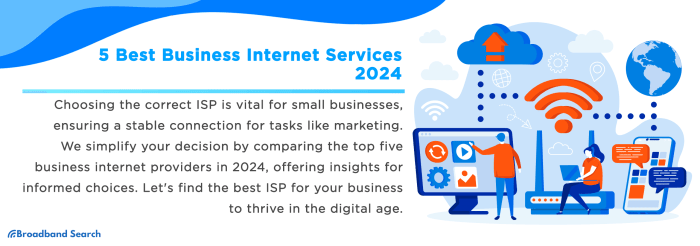
In today's digital age, effective communication and collaboration tools are essential for businesses to thrive, especially with the rise of remote work and distributed teams. These tools not only facilitate seamless interaction among team members but also enhance productivity and efficiency in the workplace.
Impact of Communication Tools on Remote Work and Team Collaboration
Effective communication tools play a crucial role in bridging the gap between remote team members and fostering collaboration. With features like instant messaging, video conferencing, and file sharing, team members can easily connect and work together regardless of their physical location.
This not only promotes better teamwork but also ensures that projects are completed on time and within budget.
Must-Have Collaboration Tools for Companies with Distributed Teams
- Slack: A popular messaging app that allows real-time communication and file sharing among team members.
- Microsoft Teams: An integrated platform for chat, video conferencing, and file collaboration, seamlessly integrating with other Microsoft Office apps.
- Trello: A project management tool that enables teams to organize tasks, assign responsibilities, and track progress in a visual way.
- Zoom: A video conferencing tool that offers high-quality video and audio for virtual meetings and presentations.
Best Practices for Implementing Communication Tools Effectively in a Business Setting
- Provide training and support: Ensure that all team members are trained on how to use the communication tools effectively and provide ongoing support as needed.
- Establish communication guidelines: Set clear guidelines on how and when to use each communication tool to avoid confusion and ensure efficient communication.
- Encourage regular check-ins: Schedule regular check-in meetings or stand-ups to keep team members connected and aligned on project goals and deadlines.
- Seek feedback: Encourage team members to provide feedback on the communication tools being used and make adjustments as needed to improve efficiency and collaboration.
Final Summary
As we conclude our exploration of the top internet business services for companies aiming to scale in 2026, it becomes evident that embracing these technologies is paramount for staying competitive and achieving sustainable growth. By leveraging the power of cloud computing, fortifying cybersecurity measures, harnessing data analytics tools, optimizing e-commerce platforms, and implementing effective communication tools, businesses can position themselves for success in the ever-evolving digital realm.
Questions and Answers
What are some popular internet business services used by successful companies?
Some popular internet business services include cloud computing solutions, cybersecurity measures, data analytics tools, e-commerce platforms, and communication and collaboration tools.
Why is cybersecurity crucial for internet business operations?
Cybersecurity is essential to protect sensitive data, prevent cyber attacks, and maintain the trust of customers and stakeholders.
How can data analytics tools drive success for businesses?
Data analytics tools help companies make informed decisions, identify trends, optimize processes, and improve overall business performance.