Delving into Small Business Internet: How to Choose the Best Setup for Speed and Reliability, this introduction immerses readers in a unique and compelling narrative, with casual formal language style that is both engaging and thought-provoking from the very first sentence.
As we navigate through the intricacies of small business internet setups, we uncover the key factors that drive speed and reliability, essential for business success in today's digital landscape.
Factors to Consider for Small Business Internet Setup
When setting up internet for a small business, there are several key factors to consider to ensure optimal speed and reliability for daily operations.
Ideal Internet Speed Requirements for Different Types of Small Businesses
- Small Retail Store: Requires basic internet speed for processing transactions and managing inventory. Speeds of around 25-50 Mbps should suffice.
- Graphic Design Studio: Needs faster internet for uploading and downloading large design files. Opt for speeds of 100 Mbps or higher.
- Online Marketing Agency: Requires high-speed internet for video conferencing, content creation, and data analysis. Consider speeds of 200 Mbps or more.
Importance of Reliability in Small Business Internet Connections
Reliability is crucial for small businesses to ensure consistent access to online resources and smooth operations. An unreliable connection can lead to lost productivity and potential revenue. Investing in a reliable internet service provider with minimal downtime is essential for business continuity.
Wired vs. Wireless Internet Setups for Small Businesses
- Wired Setup: Offers more stability and faster speeds compared to wireless connections. Ideal for businesses that require consistent and high-speed internet access.
- Wireless Setup: Provides flexibility and mobility within the workspace. Suitable for businesses that prioritize mobility and have fewer devices requiring high-speed connections.
Choosing the Best Internet Service Provider (ISP)
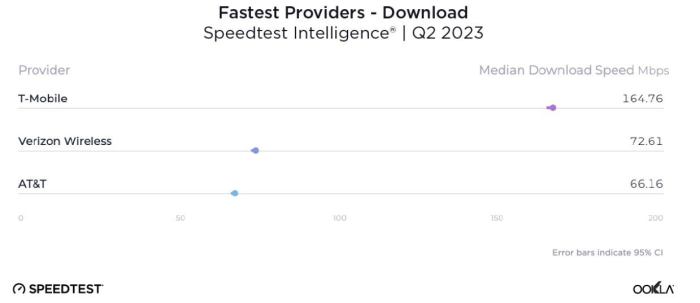
When it comes to selecting the right Internet Service Provider (ISP) for your small business, there are several factors to consider. From reliability to speed, finding an ISP that meets your specific needs is crucial for the smooth operation of your business.
Popular ISPs for Small Businesses
- AT&T: Known for its reliable service and fast speeds, AT&T offers a range of business internet plans tailored to small businesses.
- Comcast Business: Comcast is another popular choice, providing high-speed internet and business solutions for small enterprises.
- Verizon Fios: With its fiber-optic network, Verizon Fios is praised for its fast and reliable internet service, ideal for small businesses requiring high bandwidth.
Local vs. National ISPs
When choosing an ISP for your small business, you may have the option to go with a local provider or a national company. Local ISPs often offer personalized customer service and a deeper understanding of the community's needs. On the other hand, national ISPs may have a wider network coverage and more resources for technical support.
Consider the level of customer service, pricing, and network reliability when deciding between local and national ISPs.
Bandwidth Limitations Impact
Bandwidth limitations can significantly impact small business operations, especially if your business relies on data-heavy tasks such as video conferencing, file sharing, or cloud-based applications. Ensure that the ISP you choose offers sufficient bandwidth to support your business needs without interruptions or slow speeds.
Upgrading to a higher bandwidth plan may be necessary as your business grows to maintain efficiency and productivity.
Hardware and Equipment Needed for Optimal Performance
When setting up a small business internet connection, it is crucial to have the right hardware and equipment in place to ensure optimal performance. This includes routers, modems, switches, and other networking devices that can support the demands of your business operations.
Essential Hardware Components
- Routers: Routers are essential for connecting your devices to the internet and managing network traffic. Look for routers with advanced features such as dual-band Wi-Fi, Quality of Service (QoS) settings, and VPN support for secure remote access.
- Modems: Modems are responsible for connecting your network to the internet service provider. Consider getting a modem that is compatible with your ISP's technology (DSL, cable, fiber) and offers fast download and upload speeds.
- Switches: Switches help to expand your network by providing additional Ethernet ports for wired connections. Opt for gigabit switches to ensure high-speed data transfer within your network.
- Firewalls: Firewalls are crucial for network security, as they help protect your business data from cyber threats. Invest in a firewall with intrusion prevention and content filtering features to safeguard your network.
Types of Routers and Modems
- Wireless Routers: Wireless routers are convenient for providing Wi-Fi connectivity to your devices. Look for routers with the latest Wi-Fi standards (such as Wi-Fi 6) for faster and more reliable wireless connections.
- Modem-Router Combos: Modem-router combos are all-in-one devices that combine the functions of a modem and a router. While they offer space-saving benefits, they may not always provide the same performance as standalone devices.
- Mesh Routers: Mesh routers use multiple nodes to create a seamless Wi-Fi network with better coverage and performance. Consider using mesh routers in larger office spaces to eliminate dead zones and ensure consistent connectivity.
Network Security Considerations
- Secure Firmware Updates: Ensure that your hardware devices receive regular firmware updates to patch security vulnerabilities and improve performance.
- Strong Passwords: Set strong passwords for your routers, modems, and other network devices to prevent unauthorized access. Consider using a password manager to securely store and manage your passwords.
- Guest Network: Create a separate guest network to isolate guest devices from your main network and protect your sensitive business data. Configure guest network settings to restrict access to certain resources.
Setting Up a Reliable Network Infrastructure
When setting up a reliable network infrastructure for a small business, it is crucial to ensure the security, speed, and reliability of the network. This involves creating a network that can handle the demands of the business operations while keeping data safe from potential threats.
Advantages of Using a VPN for Small Business Internet Connections
- Enhanced Security: VPNs encrypt data transmitted over the network, protecting it from potential cyber threats.
- Remote Access: VPNs allow employees to securely access the network from remote locations, improving flexibility and productivity.
- Data Privacy: VPNs help in maintaining the privacy of sensitive business data, ensuring confidentiality.
Tips for Optimizing Network Performance
- Regular Maintenance: Keep the network infrastructure up to date with the latest software updates and security patches.
- Bandwidth Management: Monitor bandwidth usage and allocate resources effectively to optimize network performance.
- Quality of Service (QoS): Prioritize network traffic based on the criticality of applications to ensure a seamless user experience.
- Network Monitoring: Implement network monitoring tools to identify and address performance issues proactively.
- Redundancy: Set up redundant network components to minimize downtime and ensure continuity of operations.
Last Recap
In conclusion, selecting the optimal internet setup for your small business is crucial for maintaining efficiency and competitiveness. By prioritizing speed and reliability, businesses can pave the way for seamless operations and growth in the ever-evolving online realm.
Questions and Answers
What is the ideal internet speed requirement for a small business?
The ideal internet speed varies depending on the type of small business and its daily operations. However, a minimum of 25 Mbps is recommended for basic tasks, while businesses heavily reliant on online activities may require speeds of 100 Mbps or higher.
How does network security impact small business internet setups?
Network security is crucial for protecting sensitive data and ensuring uninterrupted operations. Implementing robust security measures, such as firewalls and encryption protocols, helps safeguard business information from cyber threats.
Can using a VPN enhance small business internet connections?
Yes, utilizing a VPN (Virtual Private Network) adds an extra layer of security by encrypting data transmissions. This can be beneficial for remote workers or when accessing sensitive information over public networks.