Embarking on the journey of starting an LLC requires careful planning and attention to detail. In this guide, we will walk you through the essential steps and considerations needed before you dive into the world of entrepreneurship. From legal requirements to financial considerations, this checklist covers everything you need to know to set up your LLC successfully.
LLC Formation Process
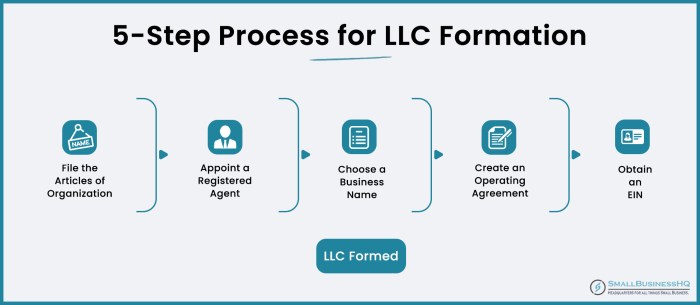
When starting an LLC, there are several steps you need to follow to ensure proper formation and legal compliance. Here are the key steps involved in forming an LLC:
Choose a Business Name
- Choose a unique name that complies with state naming requirements.
- Check for name availability and reserve the name if necessary.
File Articles of Organization
- Prepare and file the necessary paperwork, typically called Articles of Organization, with the state's Secretary of State.
- Include essential information such as the LLC's name, address, registered agent, and purpose.
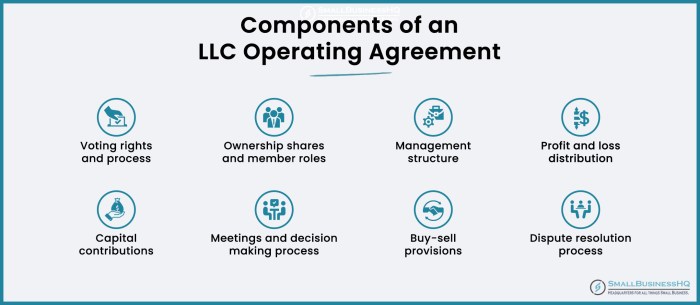
Create an Operating Agreement
- Draft an operating agreement outlining the ownership structure, management, and operating procedures of the LLC.
- Although not always required by law, having an operating agreement is highly recommended for LLCs.
Obtain Necessary Permits and Licenses
- Research and obtain any required business licenses and permits at the federal, state, and local levels.
- Compliance with licensing and permit requirements is crucial to avoid legal issues.
Apply for an EIN
- Obtain an Employer Identification Number (EIN) from the IRS for tax purposes.
- An EIN is necessary for opening a business bank account, hiring employees, and filing taxes.
Open a Business Bank Account
- Separate personal and business finances by opening a dedicated business bank account.
- Having a separate account helps with accounting, tax reporting, and legal liability protection.
Comply with Ongoing Requirements
- Stay compliant with annual filing requirements, taxes, and any other ongoing obligations specific to your state.
- Failure to meet these requirements can lead to penalties or loss of good standing status.
Legal Requirements
Starting an LLC comes with specific legal requirements that must be met in order to operate legally. It is crucial to understand and fulfill these obligations to avoid any legal issues down the line.Choosing a unique business name and registering it is one of the primary legal requirements when starting an LLC.
The name you select should not be already in use by another business and must comply with the naming rules set by the state where you are forming the LLC. Registering your business name ensures that it is protected and distinguishes your LLC from others in the market.
Permits and Licenses
When starting an LLC, you will need to obtain the necessary permits and licenses to operate legally. These permits and licenses vary depending on the nature of your business and the location where you are based. Some common permits and licenses required for an LLC include:
- Business License: A general business license that allows you to operate in a specific location.
- Professional License: If your business involves providing professional services, you may need a specific professional license.
- Zoning Permits: Ensure that your business location complies with local zoning laws and obtain the necessary permits.
- Sales Tax Permit: If your LLC will be selling goods or services, you may need to register for a sales tax permit.
It is essential to research and understand the specific permits and licenses required for your LLC to ensure compliance with the law and avoid any potential penalties.
Business Plan Development
Creating a comprehensive business plan is crucial for the success of any LLC
Significance of a Business Plan
A business plan helps you clarify your business idea and define your target market. It also allows you to identify potential challenges and develop strategies to overcome them. Moreover, a well-written business plan is essential when seeking funding from investors or financial institutions.
Guiding Growth of an LLC
- Set clear objectives and milestones to track the progress of your LLC.
- Establish a budget and financial forecast to ensure sustainable growth.
- Analyze market trends and competitors to identify opportunities for expansion.
- Create an organizational structure that supports scalability and efficiency.
Tips for an LLC Business Plan
- Executive summary: Provide a concise overview of your business, including its mission, vision, and goals.
- Market analysis: Conduct thorough research on your target market, industry trends, and competitors.
- Marketing strategy: Artikel how you plan to promote your products or services and attract customers.
- Operational plan: Define your LLC's day-to-day operations, including production processes, distribution channels, and logistics.
- Financial projections: Create detailed financial forecasts, including income statements, cash flow projections, and break-even analysis.
- Risk management: Identify potential risks that may impact your business and develop risk mitigation strategies.
Financial Considerations
Starting an LLC involves various financial considerations that are crucial for the success of your business. It is essential to understand the initial costs, the importance of separating personal and business finances, and the process of opening a business bank account.When setting up your LLC, you will need to consider the following financial aspects:
Initial Costs
- Registration fees: The cost of registering your LLC varies by state but typically ranges from $50 to $500.
- Legal fees: Hiring a lawyer to help with the formation process can cost anywhere from $500 to $1500.
- Annual fees: Some states require LLCs to pay annual fees to maintain their status.
- Other costs: These may include obtaining an EIN (Employer Identification Number), business licenses, and permits.
Importance of Separating Finances
When you operate as an LLC, it is crucial to keep your personal and business finances separate. This separation helps protect your personal assets in case of any legal issues or debts incurred by the business. It also makes accounting and tax filing much easier and more organized.
Opening a Business Bank Account
- Choose a bank: Research different banks to find one that offers the services and benefits that meet your business needs.
- Gather necessary documents: You will typically need your LLC formation documents, EIN, and personal identification.
- Visit the bank: Schedule an appointment to open a business bank account and bring all required documents with you.
- Set up online banking: Make sure to set up online banking for easy access to your account and transactions.
Conclusive Thoughts
As you reach the end of this discussion on LLC Start Up Checklist, you now have a comprehensive understanding of the key elements involved in establishing your LLC. By following these guidelines and being well-prepared, you are on your way to turning your business dreams into a reality.
FAQ Summary
Do I need a lawyer to form an LLC?
While it's not mandatory to hire a lawyer, consulting with one can help ensure that you navigate the legal requirements correctly and avoid potential pitfalls.
Can I choose any business name for my LLC?
No, your business name must be unique and comply with state regulations. Conduct a thorough search to ensure the availability of your desired name.
What are the typical initial costs of starting an LLC?
The costs can vary but generally include filing fees, state registration fees, and any professional consulting fees you may incur.