Delving into POS Business Plan: A Step-by-Step Guide to Building a Profitable Business, this introduction immerses readers in a unique and compelling narrative, with a casual formal language style that is both engaging and thought-provoking from the very first sentence.
As we explore the intricacies of creating a successful POS business plan, we will uncover essential insights and practical strategies to ensure profitability and growth in the competitive market landscape.
Overview of a POS Business Plan
Starting a POS (Point of Sale) business requires a well-thought-out business plan to guide you through the process of building a profitable venture. A business plan serves as a roadmap, outlining your goals, strategies, and financial projections. It is essential for securing funding, attracting investors, and ensuring the success of your POS business.
Key Components of a POS Business Plan
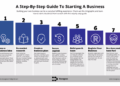
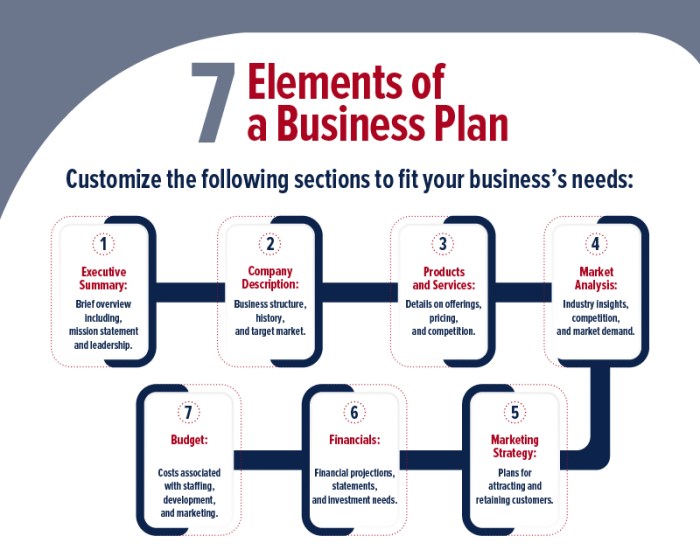
A comprehensive POS business plan should include the following key components:
- A detailed executive summary that provides an overview of your business, its mission, and its unique value proposition.
- Market analysis, including insights into your target market, competitors, and industry trends.
- Information about your products or services, pricing strategy, and sales channels.
- Operational plan outlining your POS system, inventory management, and customer service processes.
- Marketing and sales strategy to attract customers and drive revenue.
- Financial projections, including revenue forecasts, startup costs, and break-even analysis.
- Team structure and management details, highlighting the skills and experience of key personnel.
Remember, a well-crafted business plan not only helps you stay organized but also demonstrates to potential stakeholders that you have a clear vision and viable business strategy.
Significance of Market Research in a POS Business Plan
Market research plays a crucial role in developing a successful POS business plan by providing valuable insights into consumer preferences, competitive landscape, and industry trends. Through market research, you can identify market gaps, understand customer needs, and tailor your products or services to meet demand effectively.
This data-driven approach ensures that your POS business is well-positioned to attract customers, generate revenue, and achieve long-term growth.
Market Analysis
When starting a POS business, conducting a thorough market analysis is crucial to understanding the industry landscape and identifying opportunities for growth. By analyzing the market, you can gain valuable insights into customer needs, competitor strategies, and market trends that can help you make informed decisions for your business.Identifying the target market for your POS business is essential to tailor your products and services to meet specific customer needs.
Understanding the demographics, preferences, and behaviors of your target market can help you develop a marketing strategy that resonates with your customers and drives sales.
Competitive Landscape and Differentiation
In a competitive market, it is important to differentiate your POS business to stand out from competitors and attract customers. Here are some strategies to differentiate your business in the market:
- Offer unique features or services that set your POS system apart from competitors.
- Provide exceptional customer service to build loyalty and enhance the overall customer experience.
- Partner with other businesses to offer integrated solutions that address specific industry needs.
- Focus on niche markets or specific industries to tailor your POS system to meet specialized requirements.
Business Model and Strategies

When it comes to a POS business, choosing the right business model and strategies is crucial for success. Let's explore different options and strategies that can help you build a profitable POS business.
Business Models for a POS Business
- Subscription-Based Model:
- Pros: Provides a predictable revenue stream, encourages customer loyalty through regular payments.
- Cons: Customers may be hesitant to commit to long-term contracts, may be challenging to acquire new customers.
- Transaction-Based Model:
- Pros: Revenue is directly tied to usage, easy for customers to get started.
- Cons: Revenue can be variable, may not promote long-term customer relationships.
- Hardware Sales Model:
- Pros: Upfront revenue from hardware sales, potential for additional revenue from maintenance services.
- Cons: Limited revenue stream, may require constant innovation in hardware offerings.
Pricing Strategy for a POS Business
Choosing the right pricing strategy is crucial for a POS business. Some options include:
- Flat-Rate Pricing: Offering a fixed price for POS services regardless of usage.
- Usage-Based Pricing: Charging customers based on the number of transactions processed.
- Value-Based Pricing: Setting prices based on the value customers perceive in the POS system.
Determining the most effective pricing strategy involves considering your costs, target market, and competitive landscape.
Marketing Strategies for a POS Business
To effectively promote your POS business, consider the following marketing strategies:
- Targeted Advertising: Use digital marketing tools to target specific customer segments interested in POS solutions.
- Content Marketing: Create valuable content such as blog posts and videos to educate potential customers about the benefits of your POS system.
- Partnerships: Collaborate with other businesses or industry influencers to reach a wider audience.
Implementing a mix of these marketing strategies can help increase brand awareness and attract more customers to your POS business.
Financial Planning
When creating a POS business plan, it is crucial to pay close attention to the financial aspects. This includes considering startup costs, revenue projections, budgeting, and financial monitoring.
Startup Costs and Revenue Projections
- Startup costs for a POS business may include software licensing fees, hardware purchases, employee salaries, marketing expenses, and rent for a physical location.
- Revenue projections should be based on market research, competitor analysis, and realistic sales forecasts. Utilize industry benchmarks and trends to inform your revenue projections.
- Consider both one-time costs and recurring expenses when calculating your startup costs and revenue projections.
Importance of Creating a Budget and Monitoring Financial Performance
- Creating a detailed budget helps you allocate resources efficiently, track expenses, and manage cash flow effectively.
- Regularly monitoring your financial performance allows you to identify areas of improvement, make informed decisions, and ensure financial stability for your POS business.
- Use financial statements, such as profit and loss statements, balance sheets, and cash flow statements, to track your business's financial health.
Securing Funding or Investment
- Explore different funding options, such as small business loans, lines of credit, angel investors, venture capital, or crowdfunding, to secure the necessary capital for your POS business.
- Prepare a comprehensive business plan and financial projections to present to potential investors or lenders, showcasing the profitability and growth potential of your POS business.
- Consider seeking advice from financial advisors or consultants to navigate the funding process and make informed decisions about the best financing options for your POS business.
Operational Plan
In this section, we will delve into the operational requirements of a POS business, including staffing, equipment, and technology needs. We will also explore the steps to set up the POS system and integrate it into daily operations, as well as discuss how to ensure smooth and efficient operations to enhance customer experience.
Staffing Requirements
- Determine the number of staff needed based on peak hours and customer traffic.
- Provide training to staff on how to use the POS system effectively.
- Assign specific roles and responsibilities to each staff member to streamline operations.
- Implement a schedule that ensures adequate coverage during busy periods.
Equipment and Technology Needs
- Invest in a reliable POS system that meets the specific needs of your business.
- Ensure compatibility with other hardware such as printers, scanners, and payment terminals.
- Regularly maintain and update the POS system to avoid any technical glitches.
- Implement security measures to protect customer data and prevent fraud.
Integration into Daily Operations
- Create a seamless process for entering sales, processing payments, and generating reports.
- Integrate the POS system with inventory management to track stock levels and prevent stockouts.
- Utilize customer relationship management tools to personalize the shopping experience.
- Monitor key performance indicators to identify areas for improvement and optimize operations.
Ensuring Smooth Operations
- Regularly evaluate and optimize workflows to increase efficiency and reduce wait times.
- Provide ongoing training to staff to keep them updated on new features and best practices.
- Implement feedback mechanisms to gather insights from customers and make necessary improvements.
- Stay proactive in addressing any issues that may arise to ensure a positive customer experience.
Growth Strategies
When it comes to growing a POS business, it's essential to explore various opportunities that can help expand your reach and increase profitability. Continuous innovation and the ability to adapt to changing market trends are key factors for long-term success in this competitive industry.
Here are some tips on scaling your POS business while maintaining profitability:
Diversifying Product Offerings
One effective growth strategy for a POS business is to consider expanding your product offerings. By providing additional solutions or services that complement your current POS system, you can attract new customers and increase revenue streams. This could include integrating with e-commerce platforms, offering inventory management solutions, or providing customer relationship management tools.
Entering New Markets
Another way to fuel growth is by entering new markets. Whether it's expanding regionally, nationally, or even internationally, tapping into new markets can open up fresh opportunities for your business. Conduct thorough market research to identify potential target markets, understand local regulations, and adapt your strategies to suit the needs of customers in these new territories.
Embracing Technology Advancements
Staying ahead of technological advancements is crucial for the growth of a POS business. By embracing new technologies such as mobile payments, cloud-based solutions, or artificial intelligence, you can enhance the efficiency of your POS system and provide a better experience for both merchants and customers.
Keep an eye on emerging trends and be willing to invest in upgrading your technology infrastructure to stay competitive.
Ending Remarks
In conclusion, this comprehensive guide has equipped you with the necessary tools and knowledge to craft a robust POS business plan that can pave the way for sustainable success and profitability. By implementing the strategies Artikeld here, you are well-positioned to thrive in the dynamic world of POS businesses.
Question & Answer Hub
What are the key components of a POS business plan?
The key components include market analysis, business model, financial planning, operational requirements, and growth strategies.
How can I differentiate my POS business in a competitive market?
You can differentiate your POS business by offering unique features, excellent customer service, tailored solutions, or strategic partnerships.
What is the significance of continuous innovation in a POS business?
Continuous innovation ensures that your POS business remains relevant, competitive, and able to adapt to evolving customer needs and market trends.