As LLC Startup Guide: How to Launch Your Business the Right Way takes center stage, this opening passage beckons readers into a world crafted with good knowledge, ensuring a reading experience that is both absorbing and distinctly original.
In the realm of starting an LLC, thorough research, solid planning, legal adherence, financial considerations, and effective branding are vital components for success.
Research and Planning
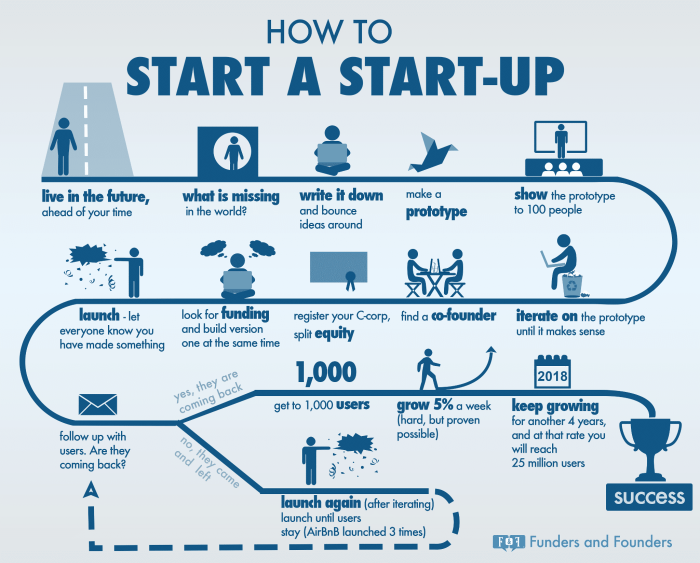
When starting an LLC, conducting thorough research and planning is crucial for laying a strong foundation for your business. Market research helps you understand your target audience, competition, and industry trends, allowing you to make informed decisions. Creating a solid business plan provides a roadmap for your business and helps you set realistic goals and strategies.
Additionally, defining a unique value proposition sets your business apart from competitors and showcases what makes your products or services special.
Importance of Market Research
Market research is essential before starting an LLC as it helps you identify your target market, understand customer needs and preferences, analyze the competition, and assess the demand for your products or services. By gathering relevant data and insights, you can make informed decisions and tailor your offerings to meet the needs of your target audience.
- Conduct surveys, focus groups, and interviews to gather customer feedback.
- Analyze industry reports, trends, and market data to understand the competitive landscape.
- Identify gaps in the market and opportunities for growth.
Creating a Solid Business Plan
A well-crafted business plan is essential for an LLC startup as it Artikels your business goals, target market, marketing strategies, financial projections, and operational plans. It serves as a roadmap for your business and helps you secure funding from investors or lenders.
By creating a detailed business plan, you can effectively communicate your vision and strategy to stakeholders and set clear objectives for your business.
- Define your business goals, mission, and vision statement.
- Conduct a SWOT analysis to identify strengths, weaknesses, opportunities, and threats.
- Artikel your target market, competition, and marketing strategies.
- Create a financial plan with revenue projections, expenses, and funding requirements.
Significance of a Unique Value Proposition
A unique value proposition is a key element in the planning phase of an LLC startup as it defines what sets your business apart from competitors and communicates the value you offer to customers. By identifying your unique selling points and highlighting the benefits of your products or services, you can attract and retain customers, build brand loyalty, and differentiate your business in the market.
“Your unique value proposition should clearly articulate what makes your business special and why customers should choose you over competitors.”
Legal Requirements
Starting a business as an LLC involves specific legal requirements that must be fulfilled in order to operate legally and protect your personal assets. Here, we will delve into the necessary steps to register an LLC, the key differences between an LLC, sole proprietorship, and corporation, as well as the essential legal documents needed to form an LLC.
Registering an LLC in a Specific State
To register an LLC in a specific state, you will typically need to follow these steps:
- Choose a unique name for your LLC that complies with state regulations.
- File Articles of Organization with the Secretary of State or other appropriate state agency.
- Create an Operating Agreement outlining the ownership and operating procedures of the LLC.
- Obtain an Employer Identification Number (EIN) from the IRS for tax purposes.
- Comply with any additional state-specific requirements, such as publication requirements or business licenses.
Differences Between an LLC, Sole Proprietorship, and Corporation
- An LLC offers limited liability protection for its owners, meaning their personal assets are typically protected from business debts and liabilities.
- A sole proprietorship is the simplest form of business structure, where the owner and the business are considered the same legal entity, with no separation of personal and business assets.
- A corporation is a separate legal entity from its owners, offering limited liability protection but requiring more formalities and compliance requirements.
Legal Documents Required for Forming an LLC
- Articles of Organization: Filed with the state to officially create the LLC.
- Operating Agreement: Artikels ownership, management structure, and operational procedures of the LLC.
- Employer Identification Number (EIN): Obtained from the IRS for tax purposes.
- Business Licenses and Permits: Required based on the nature of your business and location.
- Other state-specific forms or filings as required by the state where the LLC is registered.
Financial Considerations
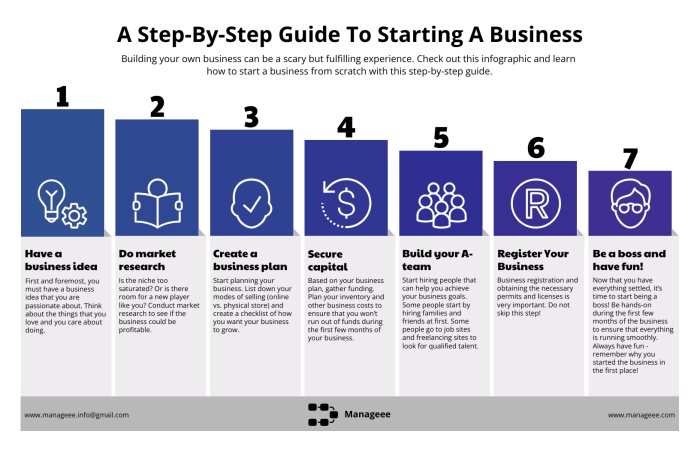
Starting an LLC involves various financial considerations that need to be carefully planned and managed to ensure the success of your business. From initial setup costs to ongoing expenses, it's essential to budget effectively and secure the necessary funding
This separation not only helps you track your business's financial performance accurately but also protects your personal assets in case of any legal issues or debts incurred by the business.
The Costs Involved in Setting Up an LLC and How to Budget for Them
Setting up an LLC incurs certain costs, including state filing fees, registered agent fees, and other legal expenses. It's important to research and understand these costs in advance to create a realistic budget. Consider consulting with a financial advisor or accountant to ensure you account for all potential expenses.
- State Filing Fees: These fees vary by state and typically range from $50 to $500 or more.
- Registered Agent Fees: Hiring a registered agent to manage legal documents can cost around $100 to $300 per year.
- Legal Expenses: Depending on the complexity of your LLC formation, legal fees can range from a few hundred to a few thousand dollars.
Tip: Create a detailed budget that includes both one-time startup costs and ongoing expenses to avoid any financial surprises.
Tips on Securing Funding for an LLC Startup
Securing funding for your LLC startup can be a crucial step in getting your business off the ground. Consider the following options to finance your LLC:
- Personal Savings: Using your personal savings to fund your LLC can be a straightforward and cost-effective option.
- Small Business Loans: Explore options for small business loans from banks, credit unions, or online lenders to finance your startup.
- Investors: Pitch your business idea to potential investors or venture capitalists who may be interested in funding your LLC in exchange for equity.
- Crowdfunding: Utilize crowdfunding platforms to raise funds from a large pool of individual backers who believe in your business concept.
Tip: Consider the pros and cons of each funding option to determine the best fit for your LLC startup based on your financial needs and long-term goals.
Branding and Marketing
In the world of business, branding and marketing play a crucial role in the success of any LLC. Creating a strong brand identity and effectively marketing your business can set you apart from competitors and attract customers to your products or services.
Choosing a Strong Business Name and Domain
When selecting a business name for your LLC, it's important to choose one that is memorable, easy to spell, and reflects the essence of your brand. Consider conducting a search to ensure the name is not already in use by another company.
Additionally, securing a domain name that matches your business name can help establish a strong online presence and make it easier for customers to find you.
Significance of Branding
Branding goes beyond just a logo or tagline; it encompasses the overall perception of your business in the minds of consumers. A strong brand can build trust, loyalty, and recognition among your target audience. Consistent branding across all platforms can help establish credibility and differentiate your LLC from competitors.
Marketing Strategies on a Budget
Marketing an LLC effectively doesn't always require a large budget. There are several cost-effective strategies you can implement to reach your target market:
- Utilize social media platforms to engage with your audience and share valuable content.
- Collaborate with influencers or other businesses to expand your reach and credibility.
- Optimize your website for search engines to improve your online visibility.
- Attend networking events or trade shows to connect with potential customers face-to-face.
- Create compelling email marketing campaigns to nurture leads and retain existing customers.
Epilogue
In conclusion, launching an LLC requires a strategic approach encompassing market research, legal formalities, financial planning, and brand establishment. By following this guide, aspiring entrepreneurs can navigate the complexities of starting their own business with confidence and precision.
FAQ Section
What are the key steps to creating a solid business plan for an LLC startup?
Research your market, define your target audience, Artikel your business goals, and establish a financial plan to ensure sustainability.
How can one secure funding for an LLC startup?
Explore options like small business loans, angel investors, crowdfunding, or personal savings to finance your venture.
What legal documents are required to form an LLC and how can they be obtained?
Commonly needed documents include Articles of Organization and an Operating Agreement; these can typically be obtained through state filing agencies or legal services.