With Avoid Lawsuits: How to Vet & Hire the Right Corporate Litigation Attorney in California (Fees, Red Flags & 2026 Checklist) at the forefront, this paragraph opens a window to an amazing start and intrigue, inviting readers to embark on a storytelling casual formal language style filled with unexpected twists and insights.
The content of the second paragraph that provides descriptive and clear information about the topic
Understanding Corporate Litigation Attorneys in California
Corporate litigation attorneys play a crucial role in representing businesses in legal disputes and litigation matters. These attorneys specialize in handling cases related to corporate law, including contract disputes, shareholder conflicts, intellectual property disputes, and regulatory compliance issues.
Specific Legal Expertise Required for Corporate Litigation in California
- Expertise in California corporate law and regulations
- Experience in handling complex commercial litigation cases
- Knowledge of federal and state laws governing business practices
- Understanding of alternative dispute resolution methods
Examples of Common Scenarios Requiring a Corporate Litigation Attorney
- Contract disputes with vendors, clients, or partners
- Shareholder lawsuits over corporate governance issues
- Intellectual property infringement claims
- Employment disputes, such as wrongful termination or discrimination cases
Vetting Corporate Litigation Attorneys
When it comes to vetting corporate litigation attorneys, it's crucial to thoroughly assess their credentials, experience, and track record. By doing so, you can ensure that you are hiring a competent legal professional who can effectively represent your company's interests in court.
Checking Credentials
Before hiring a corporate litigation attorney, it's essential to verify their credentials to confirm their qualifications and expertise in handling legal matters. You can check their educational background, bar association membership, and any specialized certifications relevant to corporate litigation.
Evaluating Experience
Experience plays a vital role in determining the effectiveness of a corporate litigation attorney. Look for attorneys with a wealth of experience in handling similar cases or disputes within the corporate sector. An attorney with a proven track record of successful outcomes is more likely to provide quality representation.
Assessing Track Record
Reviewing a corporate litigation attorney's track record can give you insights into their past performance and success rate. Consider factors such as the number of cases won, settlements negotiated, and client testimonials. A strong track record indicates reliability and proficiency in navigating complex legal issues.
Hiring the Right Corporate Litigation Attorney
When it comes to hiring the right corporate litigation attorney, there are several key factors to consider. From fee structures to negotiation tactics, making the right choice is crucial for the success of your case.
Compare Fee Structures
Before hiring a corporate litigation attorney, it is essential to compare fee structures among different attorneys and firms. Some attorneys may charge hourly rates, while others may work on a contingency fee basis. Understanding these fee structures and how they align with your budget and expectations is crucial in making an informed decision.
Negotiating Fees
When it comes to negotiating fees with corporate litigation attorneys, it is important to have a clear understanding of what services are included in the fee agreement. Be prepared to discuss payment schedules, additional costs, and any potential changes in fees based on the progress of the case.
Negotiating fees upfront can help avoid misunderstandings and ensure transparency throughout the legal process.
Red Flags to Watch Out for When Hiring
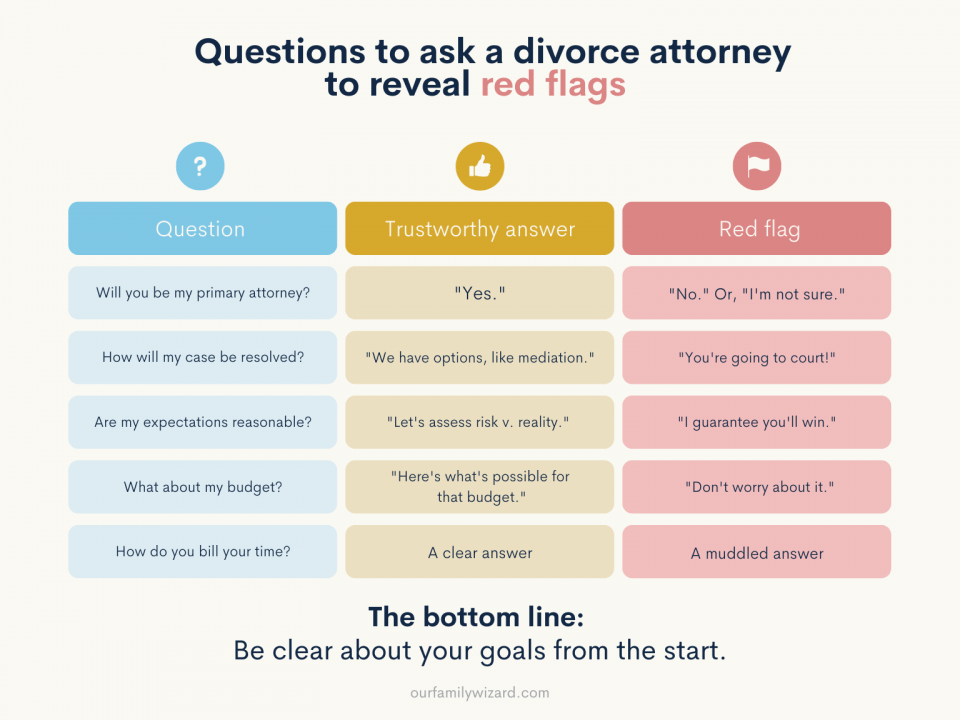
When hiring a corporate litigation attorney in California, it's crucial to be aware of potential red flags that may indicate the attorney is not the right fit for your needs. By spotting these red flags early on, you can avoid potential issues down the line and ensure you have the best representation possible.
Common Red Flags
- Unrealistic Promises: Be wary of attorneys who make grand promises or guarantees about the outcome of your case. Litigation can be unpredictable, and no attorney can guarantee a specific result.
- Poor Communication: If an attorney is unresponsive, fails to keep you informed about your case, or doesn't answer your questions in a timely manner, it could be a sign of poor communication skills.
- Lack of Experience: Ensure the attorney you hire has relevant experience in corporate litigation. A lack of experience in this area could lead to subpar representation.
Spotting Potential Conflicts of Interest
- Ask the attorney directly about any potential conflicts of interest they may have in representing you. It's important to ensure that the attorney is able to provide unbiased representation.
- Research the attorney's past client list to see if there are any conflicts that may arise from representing you in your case.
Avoiding Attorneys with a History of Malpractice
- Check the attorney's disciplinary record with the State Bar of California to see if they have any history of malpractice or ethical violations.
- Look for online reviews and testimonials from past clients to get a sense of the attorney's reputation and track record.
2026 Checklist for Hiring a Corporate Litigation Attorney
When hiring a corporate litigation attorney in California, it is crucial to follow a structured approach to ensure you find the right fit for your legal needs. The following checklist Artikels key steps to consider throughout the hiring process, from initial research to making the final hiring decision.
Research and Initial Assessment Stage
- Research potential attorneys online and through referrals from trusted sources.
- Check the attorney's reputation through client reviews and testimonials.
- Evaluate the attorney's experience and expertise in corporate litigation cases.
- Consider the attorney's communication style and availability for client meetings.
Consultation and Interview Stage
- Schedule consultations with the shortlisted attorneys to discuss your case.
- Prepare a list of questions to ask during the consultation to assess the attorney's approach.
- Ask about the attorney's success rate in similar cases and their litigation strategy.
- Discuss the attorney's fee structure, including hourly rates, retainer fees, and billing practices.
Decision-making Stage
- Compare the attorneys based on their expertise, experience, and communication style.
- Evaluate the proposed legal strategy and how well it aligns with your goals and expectations.
- Consider the attorney's fee structure and the overall cost of representation.
- Trust your instincts and choose an attorney who makes you feel confident and comfortable.
Wrap-Up

The content of the concluding paragraph that provides a summary and last thoughts in an engaging manner
FAQ Explained
What are the common red flags to watch out for when hiring a corporate litigation attorney?
Some common red flags include lack of experience in corporate litigation, poor track record, and questionable credentials.
How can I negotiate fees with a corporate litigation attorney?
You can negotiate fees by discussing the scope of work, payment structure, and exploring alternative fee arrangements.
What factors should I consider when comparing fee structures among different attorneys and firms?
Factors to consider include the complexity of your case, attorney's experience, billing method, and additional costs.
How can I verify the authenticity of a corporate litigation attorney's credentials?
You can verify credentials by checking with the state bar association, reviewing online profiles, and requesting references.