Hazmat Truck Explosion Lawsuits: Specialized Damages for Chemical Spill Injuries sets the stage for this enthralling narrative, offering readers a glimpse into a story that is rich in detail and brimming with originality from the outset.
As we delve into the complexities of hazmat truck explosion lawsuits and the specialized damages sought for chemical spill injuries, a fascinating journey unfolds showcasing the intricacies of legal battles intertwined with environmental impacts.
Overview of Hazmat Truck Explosion Lawsuits
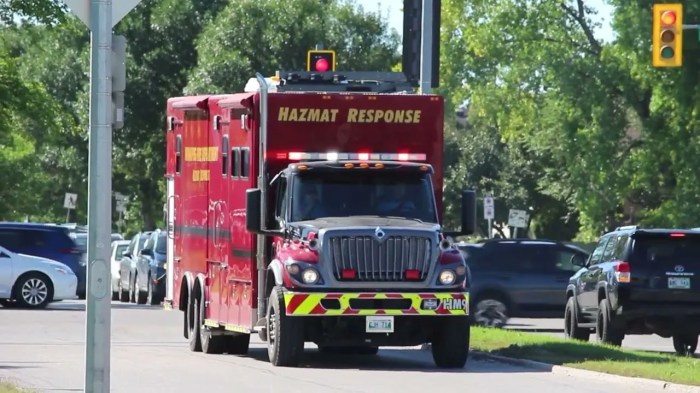
Hazmat truck explosion lawsuits involve legal actions taken by individuals or entities who have been affected by accidents involving trucks transporting hazardous materials. These lawsuits typically seek compensation for damages, injuries, and losses resulting from the explosion of a vehicle carrying dangerous chemicals or substances.
Typical Scenarios Leading to Hazmat Truck Explosion Lawsuits
- Collisions involving hazmat trucks and other vehicles on the road
- Improper loading or securing of hazardous materials leading to spills and accidents
- Mechanical failures or malfunctions in the truck's systems
Examples of Past Hazmat Truck Explosion Lawsuits
- In 2016, a hazmat truck carrying flammable chemicals exploded on a highway, causing a massive fire and multiple injuries. Several lawsuits were filed against the trucking company for negligence in handling the materials.
- In 2018, a hazmat truck leaked toxic substances due to a faulty valve, resulting in environmental contamination and health issues for nearby residents. Legal actions were taken against the truck manufacturer for product liability.
Specialized Damages in Hazmat Truck Explosion Lawsuits
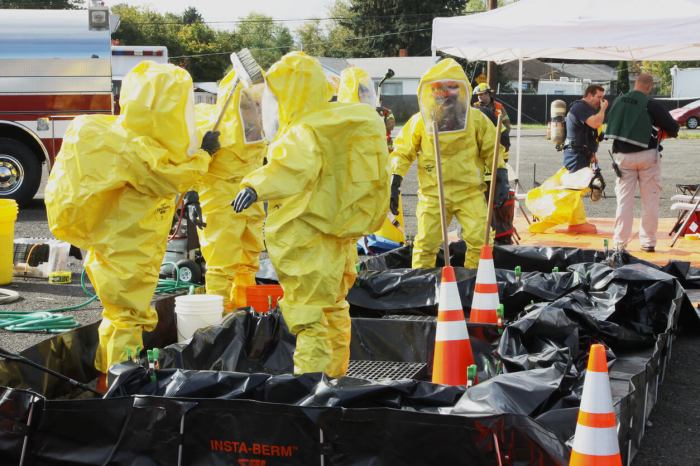
When it comes to hazmat truck explosion lawsuits, there are specific types of damages sought that are unique to these cases. These specialized damages reflect the severity and complexity of injuries resulting from chemical spills and explosions.
Types of Damages Sought
- Medical Expenses: This includes costs for hospital stays, surgeries, medication, rehabilitation, and any other medical treatment required due to the chemical spill injuries.
- Lost Wages: Compensation for income lost during recovery or due to permanent disability caused by the hazmat truck explosion.
- Pain and Suffering: Damages awarded for physical pain, emotional distress, and mental anguish experienced as a result of the accident.
- Property Damage: Reimbursement for any personal property damaged or lost in the explosion.
- Punitive Damages: In cases where the defendant's actions are deemed particularly reckless or egregious, punitive damages may be awarded to punish the responsible party.
Challenges in Quantifying Damages
In hazmat truck explosion cases, quantifying damages can be particularly challenging due to the long-term health effects of exposure to hazardous chemicals. Unlike other personal injury cases, the extent of injuries and damages may not be immediately apparent and can manifest over time.
Additionally, the unique nature of chemical spills can lead to ongoing medical treatments and costs that are difficult to predict accurately.
Legal Considerations and Regulations
In the realm of hazmat truck transportation, there exists a complex legal framework that Artikels the rules and regulations surrounding the movement of hazardous materials. Understanding these laws is crucial in determining liability in hazmat truck explosion lawsuits.
Key Regulations Governing Hazardous Material Transportation
- The Department of Transportation (DOT) sets forth regulations in the form of the Hazardous Materials Regulations (HMR), which govern the transportation of hazardous materials in the United States.
- The HMR covers a wide range of requirements, including packaging, labeling, placarding, and proper documentation for hazardous materials being transported.
- Additionally, the Environmental Protection Agency (EPA) plays a role in regulating hazardous waste transportation under the Resource Conservation and Recovery Act (RCRA).
Impact of Non-Compliance on Liability
- Failure to comply with the regulations Artikeld by the DOT and EPA can have significant implications on liability in hazmat truck explosion lawsuits.
- Non-compliance with packaging and labeling requirements, for example, can lead to confusion or mishandling of hazardous materials, increasing the risk of accidents and subsequent injuries.
- In cases where a hazmat truck explosion occurs due to non-compliance with regulations, the party responsible for the violation may face heightened liability and potential punitive damages.
Environmental Impact of Chemical Spill Injuries
The environmental consequences of hazmat truck explosions and chemical spills can be devastating, affecting ecosystems and communities in a variety of ways. These incidents can lead to widespread pollution, habitat destruction, and long-term health risks for both wildlife and humans
Ecosystem and Community Effects
- Contamination of water sources: Chemical spills can contaminate rivers, lakes, and groundwater, affecting aquatic life and potentially harming drinking water supplies for communities.
- Soil pollution: Hazardous chemicals can seep into the soil, impacting plant life and agricultural areas, posing risks to food safety and ecosystem stability.
- Air pollution: Toxic fumes released during hazmat truck explosions can contribute to air pollution, affecting air quality and posing respiratory health risks for nearby residents.
Cleanup and Restoration Processes
- Containment and recovery: Immediate efforts focus on containing the spill to prevent further spread and recovering as much of the spilled material as possible.
- Remediation and restoration: Cleanup efforts involve remediation techniques to decontaminate affected areas and restore ecosystems to their pre-spill conditions.
- Monitoring and long-term impacts: Continuous monitoring is essential to assess the long-term effects of the chemical spill, ensuring that ecosystems and communities recover and remain healthy.
Expert Witnesses and Evidence in Hazmat Truck Explosion Lawsuits
Expert witnesses play a crucial role in hazmat truck explosion lawsuits by providing specialized knowledge and opinions that can help establish liability and prove damages. These witnesses are typically professionals with expertise in areas such as hazardous materials, transportation regulations, environmental impact assessment, and other relevant fields.
Role of Expert Witnesses
Expert witnesses are called upon to analyze the circumstances surrounding the hazmat truck explosion, evaluate the cause of the incident, assess the extent of the damage caused by the chemical spill, and determine the impact on individuals and the environment.
Their testimony is essential in helping the court understand complex technical issues and make informed decisions based on scientific evidence.
- Expert witnesses can provide insight into the industry standards and best practices related to the transportation of hazardous materials, helping to establish whether the parties involved complied with regulations and protocols.
- They can offer opinions on the cause of the explosion, the effectiveness of safety measures taken, and the potential negligence or misconduct that led to the incident.
- Expert witnesses can also assess the short-term and long-term health effects of exposure to hazardous chemicals, as well as the environmental impact of the spill.
Types of Evidence in Hazmat Truck Explosion Lawsuits
In hazmat truck explosion lawsuits, various types of evidence are crucial in proving liability and demonstrating the damages caused by the incident. This evidence can include:
- Physical evidence such as wreckage from the explosion, chemical samples from the spill, and documentation of safety protocols and compliance records.
- Witness testimony from individuals who were present during the explosion or were affected by the chemical spill.
- Expert reports and analyses detailing the cause of the explosion, the extent of the damage, and the impact on public health and the environment.
- Medical records and health assessments of individuals who suffered injuries or illnesses as a result of the hazmat truck explosion.
Influence of Expert Testimony and Evidence
Expert testimony and evidence can significantly influence the outcome of hazmat truck explosion lawsuits by providing the court with credible and specialized information to make informed decisions. The opinions and analyses presented by expert witnesses can help establish liability, quantify damages, and determine the appropriate compensation for the victims of the incident.
Additionally, expert evidence can help shape public policy and regulatory measures to prevent similar accidents in the future.
Closure
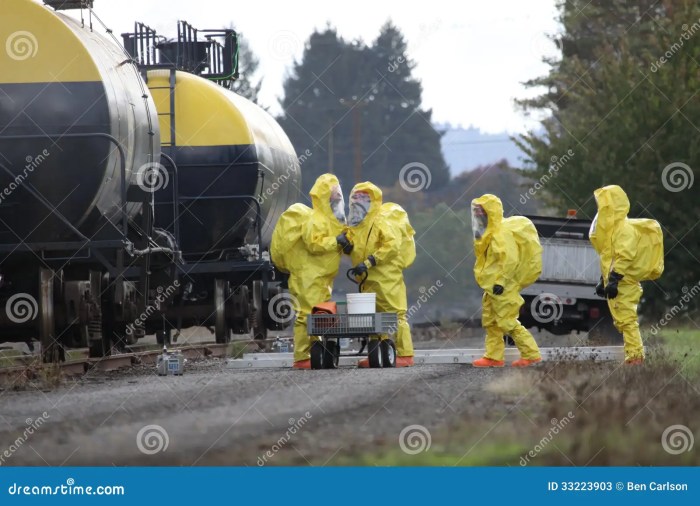
In conclusion, Hazmat Truck Explosion Lawsuits: Specialized Damages for Chemical Spill Injuries sheds light on the intricate web of legal considerations, environmental repercussions, and expert testimonies that shape the outcome of such cases. The pursuit of justice in the aftermath of hazardous material incidents is a multifaceted endeavor that demands a nuanced understanding of the law and its intersections with science and policy.
Popular Questions
What are the key challenges in quantifying damages in chemical spill injury cases?
Quantifying damages in chemical spill injury cases presents unique challenges due to the long-term environmental impacts, health effects on communities, and the complex nature of proving liability in hazmat truck explosion lawsuits.
How do hazmat truck explosion lawsuits differ in terms of damages sought compared to other personal injury cases?
Hazmat truck explosion lawsuits involve specialized damages related to chemical spills, environmental remediation, and long-term health effects that are not typically seen in other personal injury cases.
What are the key regulations governing the transportation of hazardous materials in hazmat truck explosion lawsuits?
The transportation of hazardous materials is governed by regulations such as the Hazardous Materials Regulations (HMR) issued by the Department of Transportation (DOT) in the United States, which Artikel specific requirements for the safe transport of dangerous goods.