As Urgent: Key US Corporate Tax Law Changes Small Businesses Must Know for 2026 (Deductions, Compliance & Penalties) takes center stage, this opening passage beckons readers with casual formal language style into a world crafted with good knowledge, ensuring a reading experience that is both absorbing and distinctly original.
The content of the second paragraph that provides descriptive and clear information about the topic
Overview of Key US Corporate Tax Law Changes for 2026
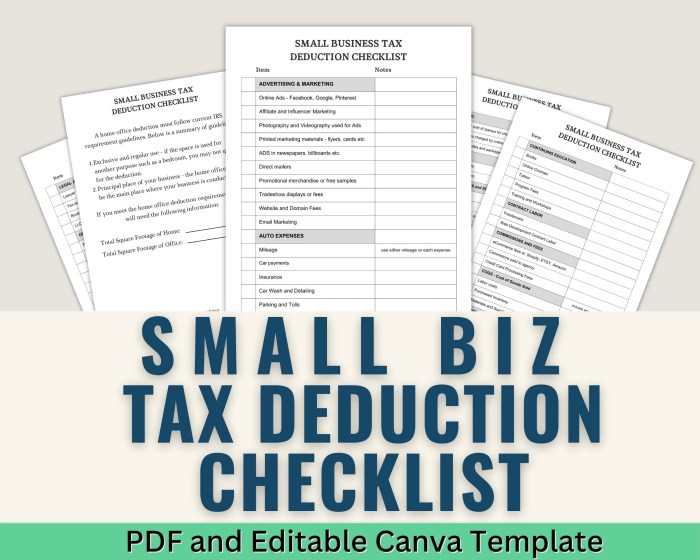
In 2026, there are several significant changes to the US corporate tax laws that will impact small businesses across the country. These changes are aimed at modifying deductions, compliance requirements, and penalties to ensure fair and efficient tax practices.
Changes in Deductions
- One major change in deductions for small businesses in 2026 is the adjustment in the threshold for qualified business income deductions. This modification will affect how much small businesses can deduct from their taxable income.
- Additionally, changes in deductions related to capital expenditures and research and development expenses will also impact small businesses, influencing their overall tax liabilities.
Compliance Requirements
- The new tax laws for 2026 introduce stricter compliance requirements for small businesses, including enhanced documentation and reporting standards. Small businesses will need to ensure they are meeting these requirements to avoid penalties and audits.
- Moreover, changes in compliance requirements may necessitate small businesses to invest in accounting and tax preparation services to adhere to the updated regulations effectively.
Timeline for Implementation
- The key US corporate tax law changes for 2026 are set to be implemented at the beginning of the fiscal year, starting from January 1st. Small businesses need to be prepared for these changes well in advance to avoid any disruptions in their financial operations.
- It is crucial for small businesses to understand the timeline for implementation of these tax law changes and take necessary steps to ensure compliance and minimize any potential penalties.
Compliance Requirements under the 2026 Tax Law Changes
Small businesses must be diligent in adhering to the compliance requirements set forth by the new tax laws for 2026. Failure to comply can result in penalties and fines that could significantly impact the financial health of the business.
Step-by-Step Guide to Ensure Compliance
- Keep detailed records: Small businesses should maintain accurate and organized records of all financial transactions, expenses, and income to ensure compliance with the new tax laws.
- Stay updated on changes: It is crucial for small businesses to stay informed about any updates or modifications to the tax laws to make the necessary adjustments promptly.
- Consult with a tax professional: Seeking guidance from a tax professional can help small businesses navigate the complexities of the new tax laws and ensure compliance.
- File taxes on time: Small businesses must meet all tax filing deadlines to avoid penalties and interest charges.
Challenges in Meeting Compliance Requirements
- Complexity of regulations: The new tax laws may introduce complex regulations that small businesses may find challenging to understand and implement.
- Resource constraints: Small businesses with limited resources may struggle to allocate the necessary time and personnel to ensure compliance with the updated regulations.
- Changes in deductions: Adjusting to changes in deductions and credits can be difficult for small businesses, leading to potential errors in compliance.
Penalties for Non-Compliance with the 2026 Tax Laws
Small businesses that fail to comply with the new tax laws for 2026 may face severe penalties that can have a significant impact on their finances.
Types of Penalties
- Monetary fines based on the extent of non-compliance.
- Interest charges on overdue taxes.
- Potential loss of tax deductions or credits.
Severity of Penalties
The severity of these penalties can vary depending on the specific violation and the duration of non-compliance. Small businesses may face escalating fines, additional interest charges, and even legal action if the issues are not resolved promptly.
Strategies for Compliance
- Maintain accurate financial records and documentation to ensure timely and accurate tax filings.
- Stay informed about changes in tax laws and seek professional advice if needed to ensure compliance.
- Regularly review and update tax compliance procedures to adapt to new regulations and requirements.
- Consider investing in tax compliance software or services to streamline the process and minimize the risk of errors.
Final Conclusion
The content of the concluding paragraph that provides a summary and last thoughts in an engaging manner
Query Resolution
What are the common deductions affected by the new tax laws for small businesses?
Small businesses need to be aware of changes impacting deductions like...
How can small businesses optimize deductions in light of the 2026 tax law changes?
To optimize deductions, small businesses should...
What are the potential challenges small businesses may face in meeting compliance requirements under the new tax laws?
Small businesses may encounter challenges such as...
What are some strategies for small businesses to avoid penalties and stay compliant with the 2026 tax laws?
To avoid penalties, small businesses should...